
Blog
Wedding Vendor Contracts: What Couples Should Check Before Signing


Booking a photographer, caterer, florist, DJ, or other wedding professional often involves more than choosing a package and paying a deposit. The contract explains what you are paying for, when payments are due, and what happens if plans change.
Before signing a wedding vendor contract, read beyond the price at the top of the page. Small details about overtime, cancellations, delivery dates, or additional charges can matter later. A clear wedding vendor contract checklist can help you know which terms deserve a closer look before you commit.
What Should Be Included in a Wedding Vendor Contract?
A contract should clearly identify who is providing the service, what they have agreed to provide, and when and where the work will take place. Do not assume something discussed during a phone call will automatically be included.
Vendor and Wedding Details
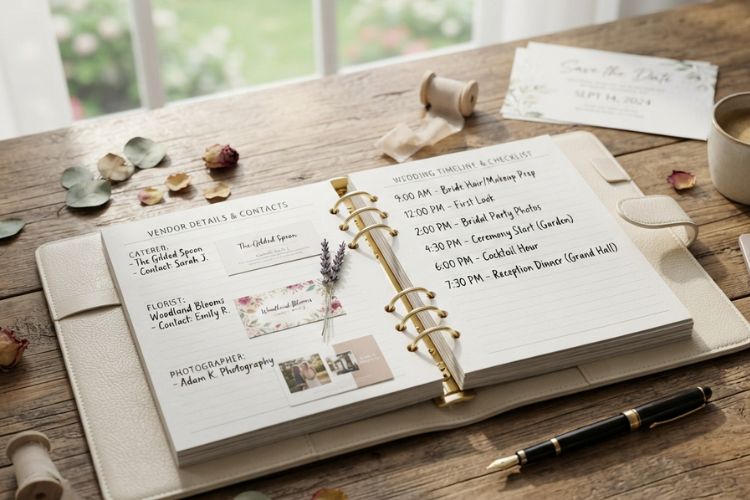
Check the vendor’s business name and contact details along with your names, wedding date, venue, and agreed service times. Even simple information deserves a second look. An incorrect date or location can create unnecessary problems later.
The wedding vendor agreement should also identify the package or service you selected so there is no confusion between different options the vendor offers.
Exact Services and Deliverables
Look for specific descriptions rather than broad promises. A photographer’s agreement might state the number of coverage hours, while a florist’s may list bouquets, centerpieces, and setup.
The same applies to catering, entertainment, rentals, and planning. Your wedding contract checklist should include everything you were promised, especially custom requests discussed before the contract was prepared.
Contract Terms to Check Before You Sign
Once the basic information is correct, move through the financial and service terms carefully. These clauses explain what both you and the vendor are expected to do.
Total Price and Payment Schedule
Confirm the complete price, deposit or retainer, payment dates, taxes, and service charges. Find out which payments are refundable and which are not.
Do not rely on the original quote if the final contract shows a different amount. One of the most useful vendor contract tips is to compare the written total with the package and pricing you previously discussed.
Extra Fees
Look for costs that may appear outside the package price. Travel, delivery, parking, setup, breakdown, additional staff, and overtime can all add to the final bill.
If the contract says additional charges “may apply,” ask when they apply and how much they could cost. Couples reviewing a Wedding Vendor Checklist should account for these expenses when comparing vendors rather than looking only at the starting price.
Cancellation and Refund Policy
Plans can change, so take a minute to see what happens to the money you have already paid if you need to cancel. The wedding vendor cancellation policy should tell you which payments you can get back, which ones you cannot, and whether you could still owe money depending on when you cancel.
Also check what the contract says if the vendor is the one who backs out. You should know whether you will receive a refund, be offered a replacement, or have another option.
Rescheduling Terms
Sometimes the wedding is not canceled, it simply needs to happen on another date. Check whether the vendor will move your existing payments to the new booking or charge a fee for making the change.
It is also worth checking what happens if the vendor is already booked on your new date. Having that answer in writing can save you from dealing with another problem later.
Vendor Cancellation and Backup Plans
Ask what happens if the person you hired becomes sick or otherwise cannot attend. Some businesses send an associate or another qualified professional, while others may offer a refund.
Make sure the wedding vendor contract explains the backup process rather than leaving you to figure it out close to the wedding.
Service Hours and Overtime
Confirm when the vendor arrives, when their service begins, and when it ends. If you may need additional time, check the overtime rate beforehand.
It should also be clear who can approve overtime. You do not want an unexpected charge because someone extended the service without your knowledge.
Changes to Services or Guest Count
Caterers, rental companies, and some other vendors require final numbers several weeks before the wedding. Check the deadline and whether there are minimum quantities or guest counts. A useful wedding contract checklist should also cover how package changes affect the final price.
Delivery and Completion Dates
Not every vendor’s work ends when the wedding does. You may have to wait for edited photos, videos, albums, or other finished items. Rental companies may also have set times for collecting or returning their items.
Look through the wedding vendor agreement for these dates and timelines. If something is missing, ask the vendor when you can expect it and have that detail added in writing.
Look Closely at the Cancellation Clause
Cancellation language deserves more than a quick scan. Check what happens if you cancel, postpone, or move the wedding to another location.
Pay particular attention to retainers and deposits. The wedding vendor cancellation policy should clearly state whether these amounts are refundable and what happens to later payments.
It is also worth asking how refunds are handled if the vendor is the one who cancels. Clear terms now can prevent disagreements later.
Check What Happens If Plans Change Unexpectedly
Some contracts include a force majeure clause covering circumstances outside either party’s control. This could include severe weather, natural disasters, venue closures, government restrictions, or other major emergencies.
Read what the contract actually allows in these situations. Depending on the terms, you may be offered a new date, credit, refund, or another arrangement.
Planning for unexpected situations is also useful beyond contracts. Reviewing Common Wedding Day Mistakes can help you spot other details that are easy to miss while preparing for the event.
Confirm Who Will Actually Provide the Service
If you booked a vendor because you liked a particular photographer, DJ, planner, or stylist, make sure you know whether that person is guaranteed to attend.
Some contracts allow the company to send an associate or substitute. That is not automatically a problem, but you should understand the conditions and whether you will be told beforehand.
For couples using luxury wedding planning services, a planner may also help coordinate these details across several vendors and make sure important contract requirements are accounted for.
Understand Liability, Damage, and Insurance Rules
Accidents can happen during a wedding, especially when rented decor, furniture, or equipment is being used. Before signing, find out who would be responsible if something gets broken, damaged, or goes missing.
The contract may also mention a security deposit or insurance requirements. Some venues ask vendors to carry liability insurance, so it is worth checking this ahead of time rather than finding out close to the wedding.
One of the most useful vendor contract tips is to ask about anything that could lead to an extra charge. This is especially important when you are renting costly items for the day.
Check Photo and Video Usage Rights
Photography and videography contracts may explain who owns the copyright and what you are allowed to do with the finished files.
Check whether you can download, print, and share your images. Also look for language allowing the vendor to use your wedding photos on social media, websites, advertising, or portfolios. If privacy matters to you, discuss those terms before signing the wedding vendor contract.
Contract Red Flags Worth Questioning

Some contract language deserves clarification before you agree to it. Watch for blank spaces, vague service descriptions, unexplained additional fees, missing delivery dates, or unclear cancellation terms.
Verbal promises that never appear in writing are another concern. If something influenced your decision to hire the vendor, ask for it to be included.
Your wedding vendor contract checklist should also flag clauses that allow major changes to services or pricing without explaining when those changes can happen.
What to Do After You Sign
Keep a copy of the signed wedding vendor contract along with receipts and payment confirmations. If you later change the package, timeline, or another important detail, get the update in writing.
Store updated agreements somewhere both partners can access. If you are working with a planner or coordinator, share the relevant information so they know arrival times, payment status, and vendor responsibilities.
FAQs
Can you negotiate a wedding vendor contract?
Yes, you can bring up any terms that do not work for you and ask whether they can be adjusted. Keep in mind that some vendors have policies they will not change.
Are wedding vendor deposits refundable?
Not always. Some deposits are nonrefundable, while others may be returned under certain circumstances. Check the refund terms before making a payment.
What happens if a wedding vendor cancels?
This depends on the vendor’s policy. You may receive your money back, be offered another professional, or be given another option outlined in the agreement.
Can you change a vendor contract after signing?
Yes, if both you and the vendor agree to the change. Make sure any new arrangements are added in writing rather than relying on a conversation.
Should you pay a deposit before receiving a contract?
It is better to read the agreement first. This gives you a chance to understand what you are booking, how much you are paying, and what conditions come with the deposit.