
Blog
Wedding Seating Chart Ideas: How to Organize Your Reception

You have the guest list ready, but now comes a surprisingly tricky question. Where should everyone sit? Family members, old friends, coworkers, children, and plus-ones may all need a place that feels comfortable.
A wedding seating chart gives guests clear direction while helping the reception run more smoothly. Good seating can also encourage conversation and prevent unnecessary confusion when dinner begins. The following wedding seating chart ideas will help you work through the room layout, guest groups, table choices, and those awkward seating decisions that often come up.
Start With the Room Before You Start Moving Names
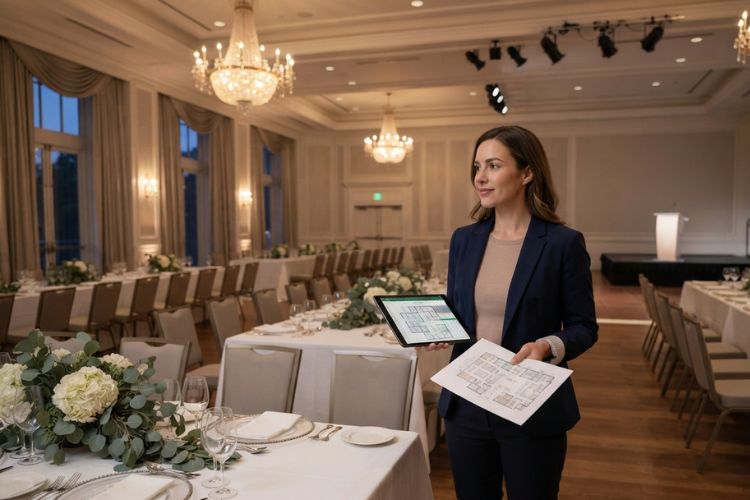
Get a floor plan from your venue before assigning anyone a table. Mark the dance floor, bar, DJ or band, entrances, exits, buffet stations, and cake table first.
Then look at the open space. Guests should be able to pull out chairs and walk around comfortably, while servers need enough room to carry food and clear dishes.
Building your seating plan for wedding guests around the actual room prevents you from creating an arrangement on paper that does not work once the tables are set.
Choose Tables That Suit the Way You Want Guests to Gather
Table shape changes how people talk, eat, and move during dinner. Consider both the available space and the atmosphere you want to create.
Round Tables
Round tables make it easier for smaller groups to see one another. They are also useful when you want to bring together guests from different social circles.
Rectangular Tables
Rectangular tables work well in longer reception spaces. They can also create a relaxed dinner-party feeling, especially with family-style meals.
Long Banquet Tables
Long tables bring many guests together and suit intimate celebrations. Keep in mind that people seated at opposite ends may have fewer opportunities to talk.
Mixing Table Shapes
You do not have to choose only one style. Combining round and rectangular tables may help you use corners and unusual room dimensions more effectively.
Confirm table capacities before completing your wedding table assignments so guests do not feel squeezed together.
Decide Where the Couple Will Sit First
Once your own seats are decided, building the rest of the wedding seating chart becomes easier.
Sweetheart Table
A sweetheart table gives the newlyweds a private place together. It also lets wedding-party members sit with their partners, families, or friends.
Head Table
A head table usually places the couple with members of the wedding party. It works particularly well when everyone already knows each other.
Family Table
For a smaller celebration, you may prefer sitting with parents, siblings, or close relatives. There is no fixed rule, so choose what feels comfortable.
Seating is only one piece of reception coordination. If you have wondered What Does a Wedding Planner Really Do, handling details such as layouts, vendor coordination, and guest logistics can be part of that role.
Build Tables Around Connections That Already Exist
Start with obvious groups instead of working through your guest list alphabetically. Immediate family, relatives, college friends, coworkers, and childhood friends give you natural foundations for tables.
You can then combine smaller groups based on interests and personalities. Guests do not need to know every person beside them, but having one or two familiar faces makes introductions easier.
Among the most practical wedding seating chart ideas is avoiding a noticeable leftover table. Do not group unrelated guests simply because they were the final names you had to place.
Handle the Guests Who Need a Little More Thought
Some guests require more consideration than simply finding an empty chair.
Couples and Plus-Ones
Keep couples and invited plus-ones together whenever possible. A guest who knows very few people will usually feel more comfortable beside the person they came with.
Guests Attending Alone
Skip the automatic singles table. Instead, place solo guests with friendly people who share similar interests or backgrounds.
Children
Young children are often more comfortable with their parents. Older children who already know each other may enjoy having their own table.
Older Guests
Keep older guests away from loud speakers and, when possible, give them shorter walking routes. Thoughtful wedding table seating should account for comfort and accessibility as well as relationships.
Professional wedding planning assistance can also help when the venue layout or guest requirements become difficult to balance.
Keep Family Dynamics From Reaching the Dinner Table
Family relationships can make seating tricky. Divorced parents or relatives who do not get along may be more comfortable at separate tables.
While making wedding table assignments, place each person with guests they enjoy. A little distance can prevent awkward moments without drawing attention to the situation.
If you want help managing these details, How Much Does a Wedding Planner Cost in SC can give you an idea of the cost of professional support.
Think About What Each Table Will Feel Like
Once the obvious groups are formed, think about personalities.
Balance Talkative and Quiet Guests
A few outgoing guests can help conversation flow, but avoid putting every highly energetic personality at one table.
Match Generations When It Makes Sense
Age can provide common ground, but it should not be your only guide. Guests from different generations may connect through work, hobbies, travel, or other interests.
Avoid Creating a Leftover Table
Look at each group as though you were sitting there yourself. If a table feels randomly assembled, reconsider a few seats. A thoughtful reception seating chart should make each group feel intentional.
Give Guests Enough Space to Enjoy the Reception
Review your room layout after assigning the tables. Chairs should not block exits, service paths, or busy walkways.
Guests using wheelchairs or mobility aids may need additional space. You should also consider sightlines to speeches, dances, and other reception moments.
The best wedding seating chart works beyond dinner. People should be able to stand, mingle, and move around without constantly navigating crowded chairs.
Turn the Seating Plan Into Part of the Wedding Decor
Once the arrangement is finished, you can decide how guests will see it.
Classic Printed Board
A clean printed board is simple, affordable, and easy to read.
Mirror With Handwritten Names
A mirror can complement romantic, formal, or vintage wedding decor.
Acrylic Display
Clear or frosted acrylic suits modern celebrations and can be customized with different lettering styles.
Hanging Cards
Individual cards can be arranged on frames, strings, boards, or freestanding displays.
Vintage Frames
Use several frames to separate guests by table while adding character to the display.
Floral or Greenery Display
Flowers or greenery can connect the seating display with your ceremony and reception decor.
Escort Card Wall
Individual escort cards allow guests to take their table information with them.
Photo-Based Seating Display
Photos can make the display more personal, especially for smaller weddings.
Minimal Alphabetical List
A simple alphabetical list is particularly useful when you have many guests. Your reception seating chart should be attractive, but guests should never struggle to find their names.
Arrange Names So Guests Can Find Their Seats Quickly
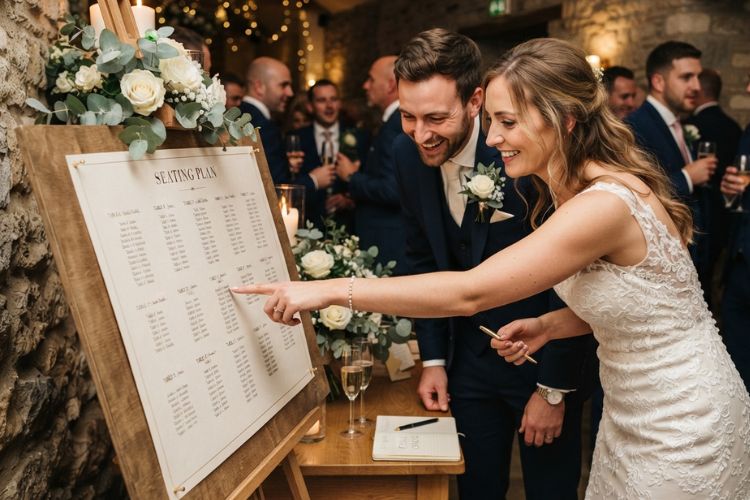
Guests should be able to walk up to the display and find their table without searching for too long. At a bigger wedding, putting names in alphabetical order usually makes things quicker. For a smaller guest list, you can simply group everyone by table number.
Choose lettering that is easy to read and avoid squeezing too many names into a small space. It also helps to put the display somewhere visible without placing it directly in a busy doorway.
Before printing your seating plan for wedding guests, go through the names one more time. Check the spelling, table numbers, and any recent changes so you do not have to fix mistakes on the wedding day.
Mistakes That Can Make Reception Seating Awkward
Some seating decisions may look fine on paper but feel uncomfortable once everyone arrives. Who sits together and where the table is placed can make a noticeable difference.
Try not to separate couples or put all single guests at one table just because it seems convenient. Older guests may prefer a quieter spot away from speakers, while anyone with mobility needs should have enough room to get in and out easily.
It is also better to keep your wedding seating chart flexible while RSVPs are still coming in. Waiting until the guest list is more settled saves you from repeatedly moving people around whenever plans change.
Leave Room for the Changes That Always Seem to Happen
Guest lists rarely stay exactly the same until the wedding day. Someone might cancel, a plus-one could change, or a relative may no longer be able to attend.
Keep an editable copy of your seating arrangement until the final numbers are confirmed. This makes it much easier to switch a few names or fill an empty seat without starting the whole plan again.
Once everything looks settled, share the latest version with the venue and caterer. If several vendors are involved, professional wedding and event management can also help make sure everyone is working from the same updated plan.
A Final Check Before You Send the Seating Plan
Before calling it finished, check that:
- Every confirmed guest has a seat
- Couples and plus-ones are together
- Table capacities are correct
- Accessibility needs have been considered
- Known family conflicts are accounted for
- Names and table numbers match
- Your venue or planner has the latest copy
Make Every Table Feel Welcoming
Creating a wedding seating chart becomes much easier when you stop looking for a perfect arrangement and focus on how guests will experience the room. Consider who they know, who they may enjoy meeting, and what they need to feel comfortable.
Leave enough space for movement, keep the display easy to read, and allow room for last-minute changes. A little thought beforehand can help everyone find their place quickly and spend more time enjoying the celebration.
FAQs
Do you really need a seating chart for a wedding reception?
Not always. Small casual weddings may manage without one, but assigned tables can make larger receptions easier to organize.
When should you finalize your wedding seating chart?
Wait until most RSVPs are confirmed. Keep an editable copy available until close to the wedding in case plans change.
Should couples sit together at a wedding reception?
Generally, yes. Keeping couples and invited plus-ones together helps guests feel comfortable during dinner.
Is it better to arrange a seating chart alphabetically or by table?
Alphabetical arrangements are usually easier to search at larger weddings. For smaller guest lists, either format can work well.
Where should parents sit at a wedding reception?
Parents are often seated near the couple, but family relationships and personal preferences should guide the final choice.