
Blog
How to Prepare for Your Final Wedding Planning Meeting


After months of choosing vendors, discussing ideas, building a guest list, and making decisions, your wedding is finally getting close. Most of the big choices are behind you, but there are still smaller pieces that need to come together before the day arrives.
A final wedding planning meeting gives you and your planner time to bring those pieces together. Rather than starting new plans, you will review what has already been decided, confirm anything that is still outstanding, and make sure everyone is working from the same information. Arriving prepared makes this meeting much more useful and helps you move into the final weeks with a clearer idea of what still needs your attention.
Ways to Prepare for Your Final Wedding Planning Meeting
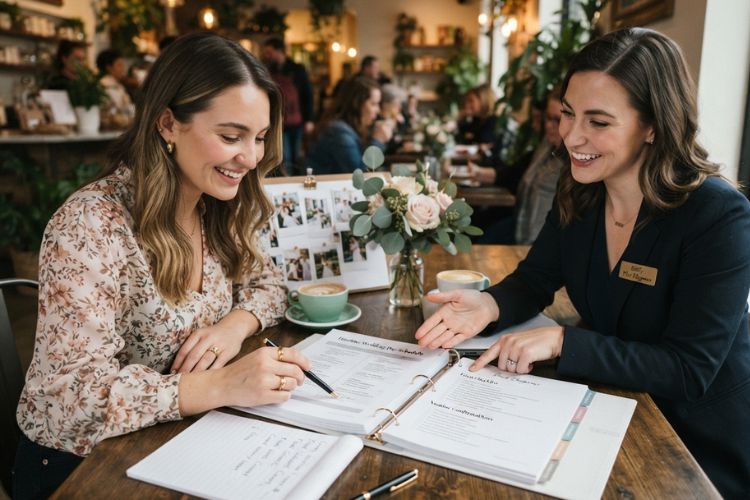
You do not need to remember every conversation you’ve had with a vendor over the past several months. The goal is simply to have current information within reach. A final wedding planning meeting checklist can help you gather what matters before you sit down with your planner.
Update Your Guest Count and Seating Plan
Start with the people attending your wedding. Check your latest RSVPs, seating chart, meal choices, dietary requirements, and any accessibility needs that should be shared with the venue or caterer.
Guest numbers can affect more than catering. Tables, chairs, place settings, stationery, rentals, and the floor plan may all depend on the final count. Having these final wedding details ready means you can deal with any remaining changes before they create problems elsewhere.
If you are still organizing different parts of the celebration, a guide to planning a wedding can also help you see how guest decisions connect with the rest of your plans.
Put Your Vendor Details in One Place
Months of planning can leave important information spread across emails, contracts, text messages, and notes. Gather your current wedding vendor details somewhere that is easy to access.
Include contact information, the services you booked, expected arrival times, and any special arrangements already discussed. Your wedding vendor checklist should also show whether a vendor still needs something from you.
This makes your wedding planning meeting easier because you can answer questions without searching through old conversations. It also gives your planner reliable information to use when contacting vendors before the wedding.
Review the Latest Wedding Day Timeline
Read through your wedding day timeline before meeting with your planner. Start with getting ready and continue through vendor arrivals, the ceremony, cocktail hour, reception, dinner, speeches, dances, cake cutting, and the end of the evening.
Pay attention to the time between these moments. For example, if photographs are planned after the ceremony, is there enough time before your reception entrance?
A useful wedding day timeline gives everyone direction without making the celebration feel scheduled down to the second. Mark anything that seems unclear so you can bring it up during your final wedding planning meeting rather than noticing the problem a few days before the wedding.
Finalize Ceremony and Reception Choices
Some of the smallest decisions are often the ones left until late in the process. Check whether you have finalized the processional order, ceremony music, readings or vows, reception entrance, speeches, special dances, cake cutting, and send-off.
These final wedding details affect several people, so changes need to be communicated clearly. Something as simple as changing the ceremony order could involve your wedding party, officiant, musicians, photographer, and coordinator.
This is also where understanding what a wedding planner really does becomes useful. Your planner is not simply keeping a list of decisions. Those decisions need to be turned into a plan that vendors and the wedding party can actually follow.
Sort Out Décor and Personal Items
Think about everything you or your family will personally bring to the venue. Signs, a guest book, table numbers, place cards, favors, photographs, ceremony items, and cake accessories can easily get overlooked during final wedding preparations.
Make a simple list and decide who is bringing each item. Just as importantly, work out who will collect it when the celebration ends.
Compare personal items with your wedding vendor checklist as well. Your venue, florist, rental company, or planner may already be supplying something, and checking now can prevent unnecessary duplication.
Check Contracts and Outstanding Payments
Take a quick look at your vendor agreements before your final wedding planning meeting. Focus on anything that still requires action, including balances, payment deadlines, service hours, overtime charges, delivery arrangements, and final information requests.
Keep your updated wedding vendor details nearby in case something needs to be confirmed during the conversation.
Different wedding planning companies may have their own systems for collecting contracts and vendor information. Follow the process your planner has already established instead of creating a completely new system during the last few weeks.
Write Down Anything You’re Still Unsure About
Questions have a habit of appearing when you are at home and disappearing once the meeting starts. Add them to your final wedding planning meeting checklist as they come to mind.
They might involve venue access, transportation, family arrangements, weather, setup, or a recent vendor request. Bringing a short list keeps your wedding planning meeting focused on the things that actually need answers.
Take One Final Look at How the Day Will Flow
Before wrapping up, go through your wedding day timeline from getting ready to the final send-off. Pay attention to how the ceremony, photos, cocktail hour, and reception connect rather than looking only at individual times.
Review your wedding vendor details to make sure everyone knows when to arrive and what happens next. Keeping these updates on your wedding vendor checklist can make last-minute coordination much easier.
Your final wedding preparations should also cover the end of the night. Decide who will collect gifts, cards, décor, and personal belongings, and confirm which vendors will handle breakdown.
What Should Happen After the Final Planning Meeting?

After the final wedding planning meeting, your planner can update the schedule, confirm vendor arrival times, and share any last-minute changes with the people involved.
You may still have a few final wedding preparations, such as making a payment or delivering personal items. Any remaining wedding vendor details should also be confirmed before the wedding day.
At this stage of your wedding planning journey, everything should begin to feel connected. With responsibilities clear and the main details confirmed, you can focus more on enjoying the days leading up to your wedding.
Conclusion
A final wedding planning meeting should leave you feeling clearer about the wedding ahead. When your guest information, vendors, schedule, personal items, and remaining tasks are organized beforehand, there is less to chase during the final days.
Wisteria Weddings & Events helps couples bring these moving pieces together through thoughtful planning and coordination. With the logistics organized and responsibilities clear, you can spend less time managing the wedding and more time looking forward to experiencing it.
FAQs
- When Should You Have Your Final Wedding Planning Meeting?
Timing varies, but the meeting usually happens once most major decisions and vendor arrangements are already confirmed.
- What Should You Bring to a Final Wedding Planning Meeting?
Bring guest information, vendor contacts, payment details, ceremony choices, décor information, schedules, and any questions you still have.
- Who Should Attend the Final Wedding Planning Meeting?
Usually, the couple and planner attend. Other people can join when they are directly involved in important decisions or logistics.
- How Long Does a Final Wedding Planning Meeting Take?
It depends on the wedding and remaining decisions. Arriving organized can make the conversation more focused and productive.
- What Should Be Finalized at the Last Wedding Meeting?
Review guest numbers, vendor arrangements, ceremony and reception plans, setup instructions, timing, payments, and remaining responsibilities.