
Blog
Day-of Wedding Coordinator vs Wedding Planner: What’s the Difference?


A wedding can look effortless when you are standing in the finished space. The flowers are in place, guests know where to go, music starts at the right moment, and dinner follows without anyone noticing the work happening behind the scenes. Getting to that point, however, takes months of decisions and careful organization.
For many couples, the question is not whether they could use some help, but what kind. The wedding planner vs day-of coordinator decision comes down largely to when you need support and how much of the planning you want to handle yourself. Both professionals contribute to beautiful weddings, but their involvement can look very different before the celebration begins.
The Real Difference Starts Long Before the Wedding Day

The wedding planner vs. day-of coordinator differences become much clearer when you look at where you are in the planning process. If you are still comparing venues, working on the guest list, setting a budget, and deciding which vendors to hire, a planner can help you work through those decisions and keep everything moving.
A day-of coordinator usually comes in when most of that work is already done. You have chosen the venue, booked your main vendors, and made the big decisions. Now you need someone to get familiar with your plans, tie up the remaining details, and make sure everything is ready for the wedding day.
What a Wedding Planner Takes Off Your Plate
A planner is there while many parts of the celebration are still flexible. Rather than handing you a standard checklist and leaving you to work through it, the planner can help determine what needs attention first and how each decision affects the next one.
Finding and Managing the Right Vendors
If you have ever wondered what a wedding planner really does, vendor work is a large part of the answer. A planner can help narrow down venues, photographers, florists, caterers, entertainment, and rental companies that suit the budget and direction of the wedding.
Once contracts are signed, there are still meetings, payment dates, questions, changes, and details to follow. Having one person aware of those conversations can make it easier to keep everyone working toward the same plan.
Keeping the Budget and Logistics Connected
Wedding expenses do not exist in separate boxes. A venue choice may change transportation needs. A new guest count can affect catering, rentals, floor plans, and staffing. A planner can spot those connections before a seemingly small decision creates another expense or logistical issue.
This becomes particularly important with luxury wedding planning services, where custom installations, specialty rentals, transportation, entertainment, and multiple spaces may all need to work around one another.
Turning Inspiration Into Something That Works
It is easy to save photos of flowers, table settings, colors, and décor you love. The harder part is figuring out which ideas will actually work together in your venue and still fit the budget.
A planner helps sort through those ideas and turn them into something that feels right for your wedding. You still make the choices that matter to you, but you have someone there to help with the practical details and keep everything connected.
What Happens When a Day-of Coordinator Steps In?
Now picture the wedding much closer. The venue is booked, invitations have gone out, the caterer has the menu, and the florist knows what needs to be delivered. You have done the work. What you need now is someone who can learn the plan well enough to take it out of your hands when the celebration begins.
Before Guests Arrive
A day-of wedding coordinator may review vendor information, setup requirements, ceremony details, arrival times, and the final schedule. They need to know who should be where, what has been promised, and how one part of the day moves into the next.
This is why “day-of” can be a misleading name. Effective coordination requires preparation. There needs to be a handoff period in which the coordinator becomes familiar with the wedding rather than discovering everything on the morning of the event.
Once the Wedding Is Underway
During the celebration, the day-of coordinator becomes a point of contact for vendors and the wedding party. They can oversee arrivals, answer setup questions, watch the schedule, cue important moments, and adjust when something does not happen exactly as planned.
Good wedding day management also means many small problems never reach the couple. If a delivery is late or a table needs adjusting, you should not have to leave your guests to sort it out.
Where a Planner and Coordinator Cross Paths?
The day-of wedding coordinator vs wedding planner difference can be harder to spot once the wedding day begins. You may see both checking in with vendors, keeping an eye on the schedule, helping with setup, and making sure the ceremony and reception stay on track.
What happened before the wedding is what really separates them. A planner may have spent months helping choose vendors, working on the layout, and building the timeline. A coordinator comes in later, learns what has already been arranged, and takes it from there. This is why the wedding coordinator vs planner roles can look similar on the day, even though the work leading up to it is quite different.
Wedding Planner or Day-of Coordinator: Which One Fits Your Plans?
There is no reason every couple needs the same level of support. Your available time, personality, wedding size, budget, and willingness to manage vendors can all influence the decision.
When You Want Help From the Beginning
If you have a date in mind but little else decided, broader wedding planning services can give the process some direction. This may also suit couples with demanding schedules, those planning from another city, or anyone who would rather have professional help researching options instead of starting every search from scratch.
A planner can also be useful when the wedding has more complicated logistics. Several locations, transportation requirements, a large guest list, or an extensive vendor team can create dependencies that are difficult to manage separately.
When You Have Enjoyed Planning It Yourself
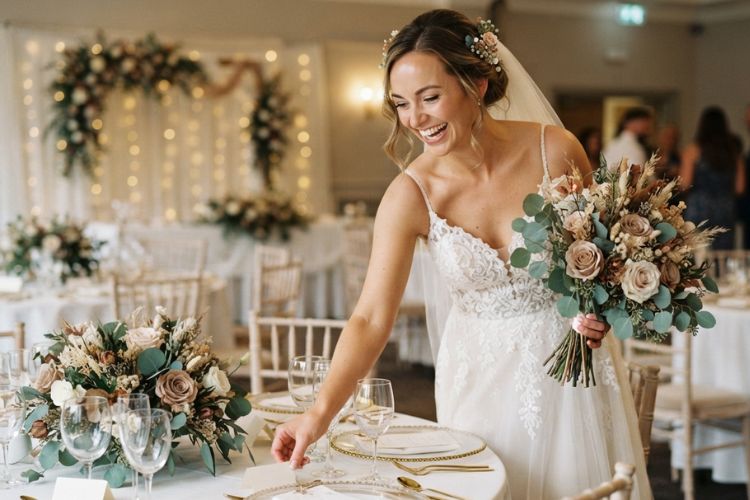
Some couples genuinely enjoy researching vendors, choosing rentals, and working through the details themselves. If most of your plans are already in place, a day-of coordinator can step in closer to the wedding without taking over the process you have enjoyed.
Budget can also shape your decision. If you are comparing different levels of professional support, understanding How Much Does a Wedding Planner Cost in SC can help you set realistic expectations. When looking at the wedding planner vs. day-of coordinator differences, focus on what each package includes and which responsibilities will still be yours.
What If You Need Something Between the Two?
Sometimes planning starts smoothly and becomes harder halfway through. You may have booked the venue, caterer, and photographer but still need rentals, transportation, design help, or someone to pull the remaining logistics together.
Partial planning can make sense in that situation. Instead of replacing everything you have already done, a professional joins your existing wedding planning experience and focuses on the areas that still need attention.
Service names can vary between companies, so do not assume “partial planning,” “month-of coordination,” or “wedding management” always means the same thing. The responsibilities written into the package matter more than the label.
Before Hiring, Find Out What the Package Actually Covers
Before signing a contract, make sure you know exactly what is included. Ask about:
- When their involvement begins
- Vendor communication
- Timeline creation
- Rehearsal coordination
- Setup and breakdown
- Wedding-day hours
- Backup plans
When comparing the best wedding planners SC has to offer, look beyond portfolios of beautiful weddings. Good communication, organization, and reliability matter just as much as the final look.
Conclusion
The wedding planner vs day-of coordinator decision depends on how much help you need throughout the process. A planner offers support while the wedding is taking shape, while a coordinator steps in closer to the day to bring the details you have already planned together.
Whichever option suits you, the goal is the same: to enjoy your wedding without managing every detail yourself. Wisteria Weddings & Events provides thoughtful planning and coordination to help couples create beautiful weddings and stay focused on celebrating the moment.
FAQs
Is a Day-of Wedding Coordinator the Same as a Wedding Planner?
No. A planner helps throughout the planning process, while a day-of wedding coordinator focuses mainly on final details and wedding-day execution.
How Far in Advance Does a Day-of Wedding Coordinator Start?
It varies by package, but coordinators usually begin before the wedding to review vendors, timelines, and final details.
Is a Venue Coordinator the Same as a Wedding Coordinator?
No. A venue coordinator focuses on the venue, while a wedding coordinator manages the couple’s overall wedding-day logistics.
Can I Hire a Coordinator After Planning My Wedding Myself?
Yes. You can plan the wedding yourself and hire a coordinator to manage the final details and wedding day.
Does a Wedding Planner Stay Through the Wedding Day?
Many do, especially with full-service planning, but the hours and responsibilities depend on the package you choose.