
Blog
How to Address Wedding Invitations in a Modern Way

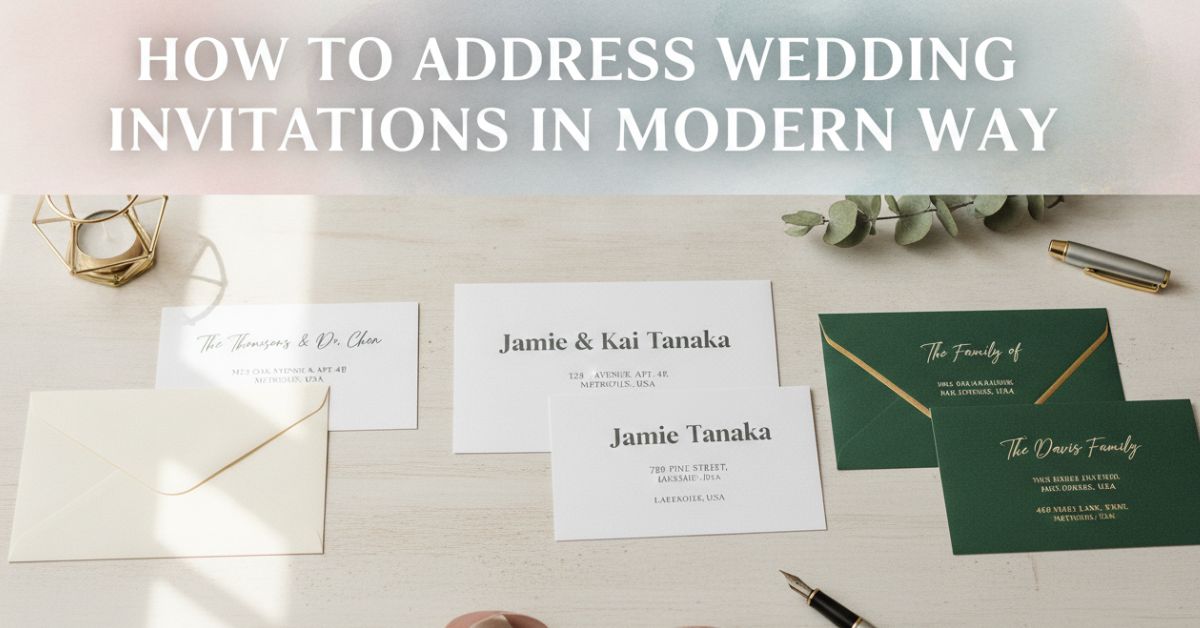
Sending wedding invitations is one of the final steps before your guests officially become part of your celebration. That is why the names on the envelope deserve just as much attention as the design inside. A well-addressed invitation feels personal and welcoming from the moment it arrives.
These days, there is no single right way to do it. Modern addressing wedding invitations focuses on using correct names, honoring individual preferences, and matching the style of your event. Once you understand the basics, the process becomes much simpler than many couples expect.
Before You Pick Up the Pen
Before you start writing envelopes, decide on the overall style of your invitations. A black tie event may suit traditional titles like Mr., Mrs., or Dr., while a casual celebration might feel more natural with first and last names.
Whatever format you choose, use it throughout your guest list. Consistency is part of the etiquette for addressing wedding invitations and gives everything a polished appearance. It also prevents situations where some guests receive formal titles while others do not.
If you are working through hundreds of names or planning a destination wedding, creating a spreadsheet with verified names and addresses can save time and reduce errors.
Every Household Is a Little Different
There is no single format that works for every guest. The proper way to address wedding invitations depends on relationships, family structure, and individual preferences. Taking a few extra minutes to personalize each envelope often leaves a better impression than relying on outdated rules.
Married Couples With the Same Last Name
For couples who share a surname, you can choose a traditional or modern style. Some couples prefer “Mr. and Mrs. Michael Brown,” while others appreciate “Sarah and Michael Brown.” If you are wondering how to formally address wedding invitations, either option can work as long as it matches the tone of your event and is used consistently throughout the guest list.
Married Couples Who Use Different Last Names
Many spouses keep separate surnames, and your invitation should reflect that choice. Include both full names instead of assuming one partner changed their last name after marriage. Modern addressing wedding invitations is about accuracy rather than old customs. Confirming a guest’s preferred name is always better than guessing.
Unmarried Partners Living Together
Those couples who live together should receive invitations with both their names written on them. You can either order them alphabetically or by putting down the name of the one you know more about. In such cases, the correct way of addressing wedding invitations would be to give equal importance to both the individuals involved.
Single Guests
When inviting one individual, simply address the envelope to that person. Depending on your wedding style, you can include a title or use their full name without one.
One of the easiest ways to improve addressing envelopes for wedding invitations is by double-checking spelling before mailing them. A correctly written name shows care and attention to detail.
Guests Invited With a Plus One
If someone is welcome to bring a companion but you do not know who that person will be, writing “and Guest” is perfectly acceptable. If you know the partner’s name, including it makes the invitation feel more personal.
Following these small details demonstrates good etiquette for addressing wedding invitations and helps guests understand exactly who is included in the invitation.
Families With Children
For invitations that include children, you can address the envelope to the entire family or list each child’s name individually. If your celebration is for adults only, make that clear through the names included or additional wording with the invitation. This approach reduces confusion and avoids last-minute questions about who is invited.
Respect Personal Preferences Over Old Traditions
Wedding etiquette has changed over the years, and many guests appreciate invitations that reflect who they are today. Some people prefer professional titles, while others would rather be addressed by their first and last names without any honorifics.
If you are uncertain, then asking is totally fine. The proper way to address wedding invitations may sometimes mean abandoning traditional methods in order to use the right one. A simple inquiry can save you from any kind of embarrassment.
The Little Things Guests Notice
The wording on an invitation is only part of the picture. The order of names, correct punctuation, and consistent formatting also matter. These details may seem minor, but together they create a polished first impression.
When working on addressing envelopes for wedding invitations, take the time to review each envelope before it is sealed. Catching one typo or a missing name early is much easier than correcting it after the invitations have been mailed.
If you are working with a professional planner, discussing the wedding planner role in guest communication and invitation management can also help ensure nothing is overlooked.
Adults Only Celebrations Need Clear Wording
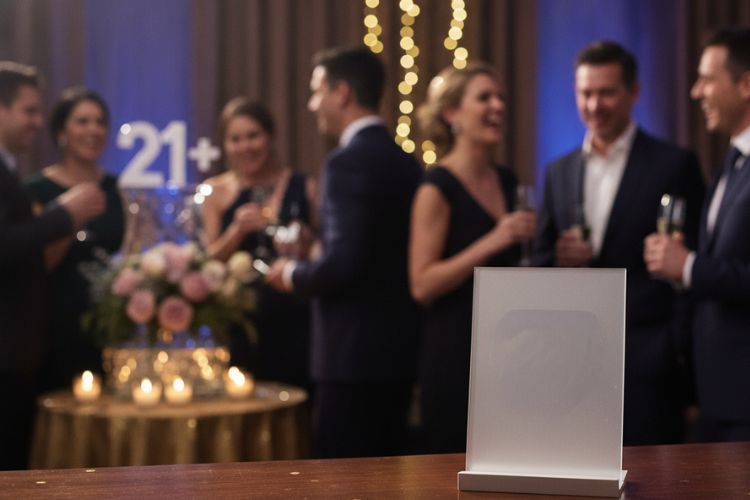
An adults-only wedding does not have to create confusion. The easiest approach is to list only the names of the invited guests on the envelope and the invitation. If children are not included, avoid addressing the envelope to the entire family.
The same idea applies to plus ones. If someone is invited with a guest, make that clear. If they are invited alone, addressing the invitation only to them helps set expectations without needing lengthy explanations.
Clear wording is one of the most overlooked parts of addressing wedding invitations, but it can prevent many awkward conversations later.
Sample Formats You Can Follow
Here are a few simple examples that work well for modern weddings.
- Married couple with the same last name
Emma and Daniel Carter
- Married couple with different last names
Ava Wilson and James Lee
- An unmarried couple living together
Olivia Green and Noah Patel
- Single guest
Sophia Martinez
- Guest with a plus one
Ethan Brooks and Guest
- Family with children
The Robinson Family
These examples are not strict rules. The best format is one that feels respectful and remains consistent throughout your invitations.
Conclusion
Getting invitation wording right is not about memorizing outdated rules. It is about making every guest feel acknowledged and welcome from the moment they open the envelope.
By focusing on accuracy, consistency, and respect, you can handle addressing wedding invitations with confidence. A few thoughtful choices today will help set the tone for a warm and memorable celebration before your guests even arrive.
FAQs
May I use the first name instead of Mr. and Mrs.?
Yes. It is common practice for many young couples to use the first name or the full name with no titles.
What is the proper way to address wedding invitations for married couples?
Use the names the couple prefers. Shared last names, separate last names, and first-name formats are all acceptable when used consistently.
How do I formally address wedding invitations for doctors or judges?
Professional titles should be included if they are important to the guest or appropriate for the level of formality of your event.
Should children’s names appear on the envelope?
Only include children’s names if they are invited. If the event is for adults only, list only the invited adults on the envelope to make the guest list clear.
Is it acceptable to write “and Guest”?
Yes. It is a common and accepted option when the invited person’s companion has not been identified by name.