
Blog
How to Plan a Destination Wedding: The Ultimate Checklist


You book the venue. Guests begin asking about flights. Someone needs hotel details, another person asks about transportation, and suddenly your wedding weekend starts feeling more like a full travel event than a single ceremony. That is usually when couples realize destination weddings involve far more coordination than they first expected.
Planning a destination wedding can feel exciting and stressful at the same time. Along with choosing a beautiful location, couples also need to manage guest communication, accommodations, local vendors, timelines, and backup plans from another city or country. Missing small details early can create bigger problems later, especially once guests begin traveling.
In this guide, we’ll be breaking down the process of planning a destination wedding into several simple steps, which will make it easier for you to organize everything and prevent potential problems before they happen.
The Ultimate Destination Wedding Checklist
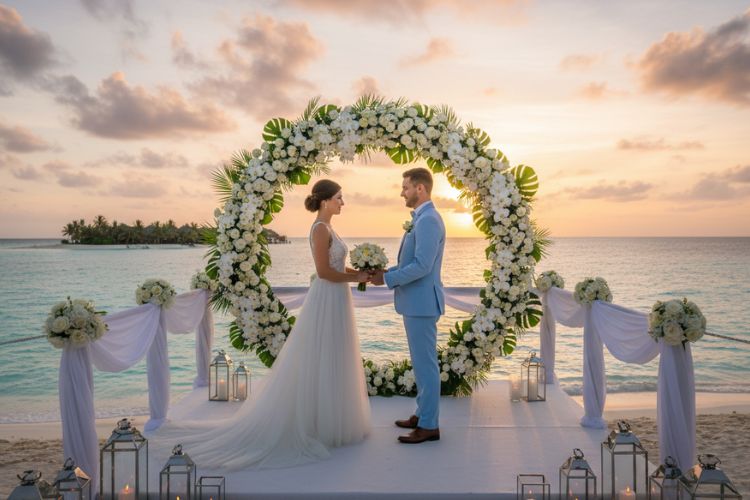
The checklist below covers the most important parts of destination wedding planning so couples can stay organized, avoid unnecessary stress, and feel more prepared throughout the entire process.
Choose the Right Wedding Destination
The destination you choose will shape the entire wedding experience. Some couples prefer a relaxed beach ceremony, while others want mountain resorts, vineyards, tropical islands, or historic cities. The location should match the atmosphere you want for the wedding, not just what looks good online.
Before booking anything, think about the practical side too. Will guests be able to travel there easily? Are hotels and flights affordable during your wedding season? Will older family members feel comfortable with the weather and travel time?
While couples usually consider the destination first, the logistics of the destination often come second. However, a beautiful destination may turn into a nightmare when the guests find it difficult to get there due to logistical issues.
Research the Best Season for Your Wedding
A destination may look beautiful online, but feel completely different during the wrong season. Heavy rain, humidity, tourist crowds, or extreme heat can affect the entire wedding experience.
Before finalizing the dates, find out about the weather conditions, peak travel times, and costs at the chosen destination. There are some destinations that get extremely crowded during holidays or the peak season, making the trip difficult for your guests.
Also, consider guest comfort. An outdoor wedding can be quite uncomfortable in windy or hot weather, particularly for elderly relatives or parents with kids accompanying them.
Understand Local Marriage Requirements
Marriage laws are different in every destination. Some countries require translated paperwork, residency periods, witnesses, or extra legal approvals before foreign couples can legally marry there. These details are easy to overlook in the early planning stages.
To avoid such legal problems, many couples prefer to arrange the marriage documents in their own country first and then simply have a ceremonial wedding in their destination place.
Before booking flights or venues, carefully review all local marriage requirements. It is much easier to handle paperwork early than deal with unexpected issues closer to the wedding date.
Set a Realistic Destination Wedding Budget
Destination weddings budgeting differs from regular weddings budgeting. While couples allocate less money for the guest count, they usually spend more on traveling, accommodation, transport, and various activities that take place during the entire weekend. The following is a budget allocation breakdown:
- Venue costs
- Flights and travel
- Guest accommodations
- Food and catering
- Photography and videography
- Transportation
- Decor and rentals
- Emergency expenses
It is essential to have a contingency budget because changes are always made concerning traveling to destination weddings. An extensive to-do list for destination weddings will assist in making payments and avoiding missing deadlines.
Create Your Guest List Early
Guest lists for destination weddings usually look smaller than traditional local weddings. Some people may not be able to attend because of travel costs, work schedules, passport issues, or family responsibilities. That is a normal part of planning a wedding away from home.
It is better to remain realistic at the start when it comes to guest attendance rather than counting on all the invited guests to attend. This will help to make appropriate arrangements for venue selection, booking of accommodation, and other arrangements without going beyond the budget.
Many couples also find that smaller destination weddings feel more relaxed overall. With fewer guests, there is usually more time to actually enjoy conversations and spend meaningful time with family and friends during the wedding weekend.
Send Save-the-Dates in Advance
Guests need more notice for destination weddings because travel planning takes time.
Some guests may need to:
- Request leave from work
- Renew passports
- Arrange childcare
- Save money for flights
- Coordinate vacation schedules
Sending save-the-dates early gives everyone enough time to prepare properly.
Build a Wedding Website for Guests
Guests usually end up asking the same questions throughout destination wedding planning. Instead of replying to everyone separately, it helps to keep all important information in one place through a wedding website.
Include practical details guests may need during the trip, such as hotel recommendations, airport information, transportation options, wedding schedules, dress codes, and local attractions nearby.
A wedding website also helps guests feel more prepared before traveling. When people know where they are staying, how transportation works, and what the schedule looks like, the entire wedding weekend feels far more organized and less stressful for everyone involved.
Book the Wedding Venue
The choice of the venue is one of the most important factors when it comes to the whole wedding experience for the bride and groom, as well as their guests. The venue can influence such things as transportation issues, scheduling of events, vendor coordination, convenience for guests, and the general mood of the party.
When couples are picking a wedding venue, it helps to focus on practical details instead of relying only on photos. Is there an indoor backup option if the weather changes suddenly? Are hotels located nearby? How long can the reception continue? Does the venue provide furniture, catering, or coordination support? These questions become very important once planning moves forward.
Sometimes venues provide wedding packages, while others just rent out spaces. It is important to read the contract before making a deposit to make sure everything is covered.
Reserve Guest Accommodations
It is important that guest accommodation is arranged early, particularly if the venue for the wedding is in high demand in the travel season. If it is not done on time, it may cause inconvenience to the guests due to the limited availability of hotels.
Many couples reserve hotel room blocks so guests can stay close together throughout the wedding weekend. This also makes transportation planning much easier for group events, dinners, and the wedding day itself.
It is also useful to suggest places to stay in different price brackets. Some people may like luxurious resorts, but others will opt for cheaper hotels near the venue. This way, all the attendees would feel comfortable making travel arrangements.
Organize Guest Travel and Transportation

Guests usually feel much more comfortable during destination weddings when travel details are clearly explained ahead of time. After arriving in a new city or country, most people want simple instructions instead of trying to figure everything out on their own.
Ensure that your guests have access to all necessary information about transportation well in advance to guarantee that they are fully aware of how they are going to get around from one place to another, such as airport transfers, shuttles, ride-sharing services, taxis, etc.
Transportation planning becomes even more important when the venue is located far from hotels or major airports. Long travel delays or unclear directions can quickly create stress for guests, especially after long flights.
Plan Welcome Events and Group Activities
Destination weddings generally last longer than regular weddings, which provides more opportunity for people to bond during the whole process. Couples may organize dinner parties on the beach, boat cruises, or informal meetings before the wedding ceremony in order to make guests feel relaxed and comfortable.
This makes destination weddings more intimate as there is enough time for guests to mingle before the actual event. It also allows families and friends to get comfortable with one another before the wedding weekend commences.
However, do not overschedule activities. Guests will most likely enjoy their downtime to rest and explore the destination.
Hire Local Wedding Vendors
Local vendors often understand the venue and surrounding area much better than outside teams. They already know travel routes, weather conditions, setup restrictions, and local supplier networks.
The first vendors couples usually book include:
- Wedding planners
- Photographers
- Makeup artists
- Caterers
- DJs or entertainment providers
Experienced local vendors can also help couples avoid common wedding planning mistakes that happen during destination weddings.
Create a Destination Wedding Packing List
Packing for a destination wedding usually takes more planning than couples expect. Unlike local weddings, you may not have easy access to forgotten items once you arrive, especially if the venue is in another country or a remote location.
It is advisable to always have important things in your carry-on luggage rather than checking them in order to avoid stress in case of delays. Couples usually have their wedding outfits, rings, marriage certificates, shoes, jewelry, cosmetics, drugs, and documents from vendors, among other things,s with them at all times.
It also helps to keep digital and printed copies of important documents, vendor contacts, hotel reservations, and wedding schedules in one place. A complete checklist for destination wedding planning can make packing feel far more organized and prevent last-minute panic before the ceremony.
Prepare Backup Plans for Weather Changes
Weather changes may occur quickly, especially in beach weddings, garden weddings, and destination weddings in tropical places. Even venues that boast ideal weather conditions could still face sudden rain, wind, and temperature changes during the wedding period.
This is why backup planning needs to take place earlier, rather than a few days before the wedding. This is where couples need to consider indoor options, tent arrangements, and changes to their schedule due to weather conditions.
Pre-planning allows everyone to be more prepared in case of such events. It also ensures that there will be minimal stress since everyone is already aware of what is expected in case of any weather problems.
Confirm Final Vendor and Guest Details
The final week before the wedding should focus more on confirmations and organization rather than making major changes to the schedule or guest list.
This is the time to double-check guest arrival times, vendor schedules, seating plans, catering numbers, transportation details, and remaining payments. Keeping everything organized during the final days helps the wedding weekend run much more smoothly once guests begin arriving.
A proper destination wedding checklist becomes especially useful at this stage because there are many small details happening at the same time. Staying organized helps couples spend less time solving problems and more time actually enjoying the celebration.
Final Thoughts
It is no surprise that destination weddings are loved by many couples because they are more personal, laid-back, and memorable than other weddings. However, organizing a destination wedding requires a lot of planning and organization.
Still, successful destination weddings depend heavily on preparation. Staying organized early, communicating clearly with guests, and following a structured checklist for destination wedding planning can make the process much smoother.
For couples currently planning a destination wedding, the goal should not be perfection. It should be creating a comfortable and enjoyable experience for both yourselves and your guests.
FAQs
How far in advance should you plan a destination wedding?
Most couples start planning a destination wedding at least 12 to 18 months before the wedding date. This gives enough time for venue bookings, guest travel arrangements, and vendor coordination.
What should be included in a destination wedding checklist?
A destination wedding checklist should include venue booking, guest accommodations, travel planning, vendor hiring, budgeting, packing lists, transportation details, and backup weather plans.
Is a destination wedding cheaper than a traditional wedding?
This varies depending on the number of guests attending the event, the location, and the wedding plans. In some cases, destination weddings may be cheaper due to fewer guests, but at other times, they may end up being more expensive due to the cost of flights and accommodation.
How do guests usually fund their travel for destination weddings?
In most cases, guests are required to cater to all their travel needs. However, it is common for couples to give advice to their guests regarding hotels and flights.
Why is early planning important for destination weddings?
Planning in advance helps couples get various venues, affordable flights and hotels, sufficient time for planning, and adequate time to plan guest activities.