
Blog
What Does a Wedding Planner Really Do? (And Why You Might Need One)

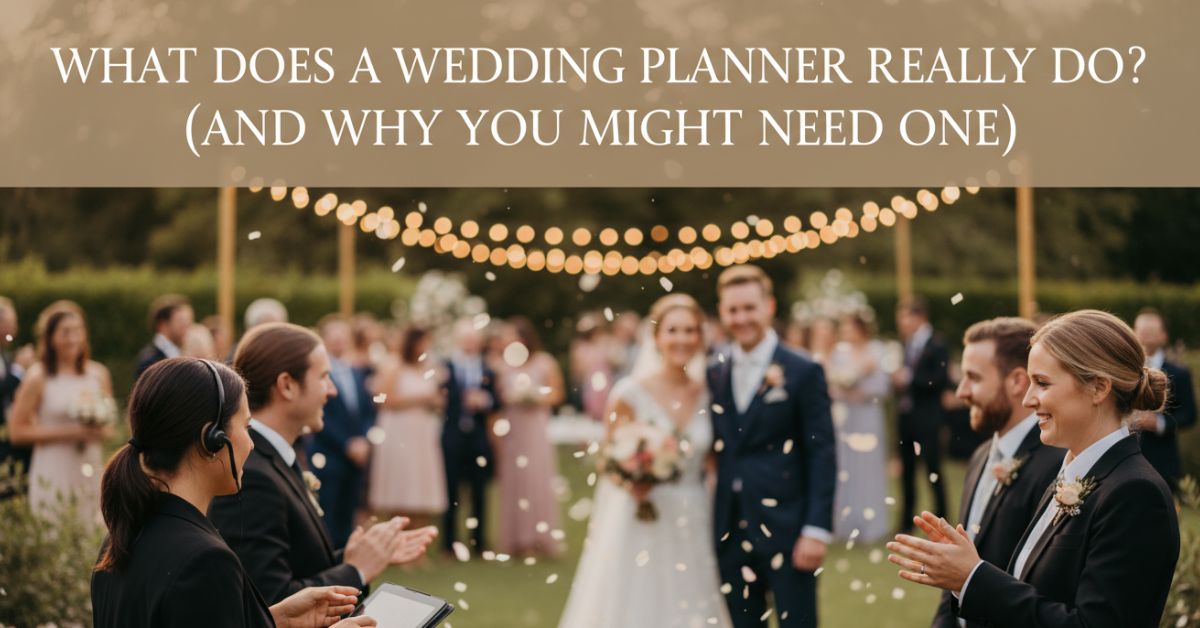
When people hear the term wedding planner, many immediately think of décor boards, flower choices, or vendor bookings. While those things are part of the picture, they barely scratch the surface. The truth is that the wedding planner role is far more involved, strategic, and demanding than most couples realize.
Planning a wedding brings excitement, but it also brings pressure. Decisions stack up quickly, timelines tighten, and emotions run high. This blog breaks down what a wedding planner actually does behind the scenes and why that support often becomes essential rather than optional.
Clearing the Biggest Wedding Planning Myth

One of the biggest misconceptions is that planners only step in for visual details. In reality, the wedding planner role is about managing structure, flow, and accountability throughout the entire process. Many couples underestimate how many decisions must align at the right time to keep everything running smoothly.
This is not about selling a service. It is about understanding the value of professional support so couples can decide what works best for them.
The Difference Between Planning a Wedding and Managing a Wedding
Planning and managing are two very different things. Planning involves ideas, preferences, and inspiration. Managing is about execution, timing, and follow through. The wedding planner role bridges that gap so ideas do not fall apart under pressure.
As the wedding date approaches, details multiply. Vendors need confirmation, schedules need adjusting, and responsibilities overlap. Coordination alone is often not enough. Management ensures nothing is missed and nothing feels chaotic.
What Happens Long Before the Wedding Day?
Much of a planner’s work happens quietly and early. Long before guests arrive, planners create timelines, monitor deadlines, and build systems that keep everything organized. These early efforts are part of the wedding planner responsibilities that couples rarely see.
From organizing checklists to coordinating moving pieces, planners work constantly to prevent issues before they happen. This preparation reduces stress later and allows the wedding day to feel effortless rather than rushed.
Vendor Coordination Without the Stress
Weddings involve multiple vendors, each with their own schedules and requirements. One of the most valuable wedding planner tasks is acting as the central point of communication. Instead of couples juggling emails and calls, the planner manages coordination calmly and efficiently.
Vendors are kept in sync through the management of schedules, deliveries, and setup times. This guarantees that everyone is working toward the same objective and lessens confusion. The event as a whole gains when communication is efficient.
Budget Control Without Constant Pressure
Budgeting is one of the most stressful parts of planning. A planner helps couples prioritize spending and make informed decisions without pressure. Instead of reacting to costs, planners guide choices so expectations stay realistic.
Understanding wedding planner cost often becomes easier when couples see how professional guidance prevents unnecessary expenses and costly mistakes. This aspect of the wedding planner responsibilities focuses on balance rather than restriction.
Timeline Management on the Wedding Day
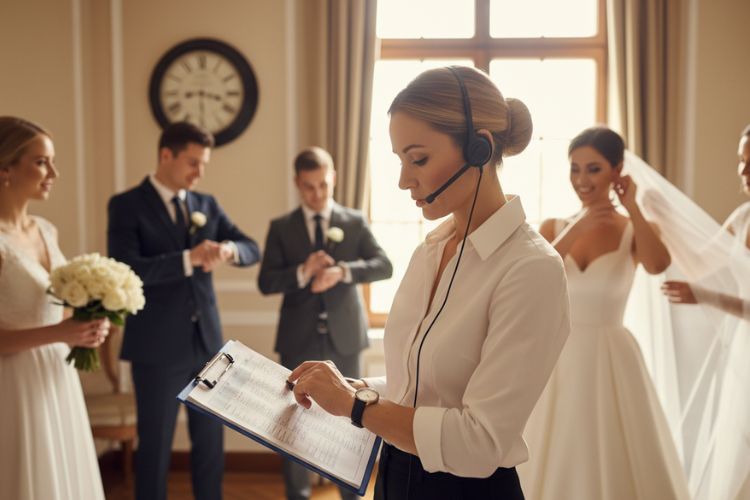
When the big day arrives, execution becomes the focus. One of the most important wedding planner duties is managing the timeline without rushing moments. From ceremony flow to reception transitions, planners keep everything moving at the right pace.
Delays happen, and that’s normal. An experienced planner handles them calmly, adjusting the timeline quietly without drawing attention to it. Most of the time, couples never even notice the small changes happening in the background. That steady control lets the day flow naturally, so you can stay relaxed and fully present in the moment.
Handling Problems You Never Even Notice
No wedding is completely predictable. Weather changes, vendors run late, or plans shift unexpectedly. One of the most critical wedding planner work is solving these problems discreetly.
Planners act quickly, make decisions calmly, and protect the couple’s experience above all else. When issues are handled well, couples never even know they occurred. This is where experience truly shows.
Emotional Support You Did Not Expect
Beyond logistics, the wedding planner role includes emotional support. Planning a wedding can feel overwhelming, especially when expectations, family dynamics, and personal stress collide.
A planner provides reassurance, steady guidance, and calm decision-making during emotional moments. These softer wedding planner responsibilities are just as important as schedules and checklists because they help couples feel supported throughout the journey.
Who Needs a Wedding Planner and Who Might Not?
Not every wedding requires the same level of support. Weddings with multiple vendors, detailed timelines, or limited planning time often benefit the most. For these situations, the wedding planner role becomes essential.
Smaller or simpler celebrations may need less involvement, but even then, guidance can reduce stress. The key is understanding where professional help adds the most value rather than assuming one approach fits everyone.
Why a Wedding Planner Is Not a Luxury for Many Couples?
Many couples view planners as an extra expense, but the reality is different. Time saved, stress reduced, and mistakes avoided all contribute to a better experience. The wedding planner job description focuses on managing complexity so couples do not have to.
Instead of controlling the wedding, planners enhance it. They allow couples to enjoy moments rather than manage logistics. This perspective changes how support is valued.
What a Wedding Planner Does That Friends and Family Should Not?
Many couples naturally turn to friends or family for help while planning their wedding. It feels familiar and comforting at first. But as the day gets closer, those small acts of help slowly turn into responsibility. Someone starts checking the timeline, someone is answering questions, and someone is worrying instead of enjoying the moment. Even when no one complains, the pressure is there.
This is exactly why the wedding planner role exists. Friends and family should not be managing logistics or solving problems on a day meant to be emotional and joyful. They should be present with you, fully in the moment, without the weight of coordination on their shoulders. When planning and execution stay professional, relationships stay relaxed and untouched by stress.
Keeping that separation matters more than people realize. It allows your loved ones to celebrate with you instead of working around you. It also protects the experience itself, so the memories you carry forward are about connection, not quiet tension behind the scenes.
How a Wedding Planner Protects Your Vision?

A wedding vision can easily shift when decisions pile up. One of the most overlooked wedding planner tasks is keeping everything aligned with the original plan. Planners prevent last-minute compromises that dilute the experience.
They ensure consistency across details and guide decisions so creativity and structure work together. This balance turns ideas into reality smoothly.
The Help Couples Get From Professional Wedding Planning
Wedding planning usually begins with excitement, but it can start to feel overwhelming once the choices add up. There are dates to track, small details to remember, and opinions coming in from everywhere. It’s easy to feel pulled in too many directions at once.
This is where professional wedding planning services make a real difference. They help sort through the noise, bring things into focus, and guide you without taking over. Instead of feeling rushed or stressed, you gain a sense of calm and direction that makes the planning process feel manageable and even enjoyable again.
Instead of trying to do everything on your own, you have someone guiding you step by step. You start to see what truly needs attention right now and what can wait. Decisions feel lighter because there is a clear plan in place, even when things feel busy or uncertain.
Final Thoughts
Choosing whether to work with a planner is a personal decision. It depends on your time, your comfort level, and how much responsibility you want to carry while planning. Some couples enjoy being deeply involved in every detail, while others feel better knowing someone is guiding the process from start to finish.
Understanding the wedding planner role helps remove pressure from that decision. It becomes less about what you think you should do and more about what actually supports you. For many couples, having help does not mean giving up control. It means having space to enjoy the journey without constant stress.
At the end of the day, your wedding should feel like a joyful celebration, not a long checklist of things to manage. When you have the right support, you can stay present, trust that everything is handled, and focus on the people who matter most. The best choice is the one that lets you enjoy your day with peace of mind and clear focus, knowing the details are taken care of.
FAQs
What is the main wedding planner role during a wedding?
The main wedding planner role is to manage planning, coordination, and execution so everything runs smoothly. They handle timelines, vendors, logistics, and problem solving while keeping the couple stress free.
What are typical wedding planner responsibilities?
Wedding planner responsibilities include creating timelines, coordinating vendors, managing schedules, overseeing setup, and handling unexpected issues while keeping the vision aligned.
What are common wedding planner tasks couples do not notice?
Many wedding planner tasks happen behind the scenes, such as confirming vendor arrivals, managing setup timing, guiding vendors, and adjusting schedules quietly.
What does a wedding planner job description usually include?
A wedding planner job description typically includes planning, coordination, communication, timeline management, vendor oversight, problem solving, and emotional support.